
From autoimmune conditions such as rheumatoid arthritis, lupus, psoriatic arthritis and many others lies the common feature of inflammation. With an increasing number of patients being diagnosed with these conditions, people are exploring alternatives to support their health beyond traditional medication. Some of these are natural remedies, such as anti-inflammatory supplements. Whilst this approach is useful, it is not the sole solution as they complement anti-inflammatory diets and medications.
Knowing how inflammation works in the body can help patients make better-informed decisions about anti-inflammatory supplements. For a closer look at the processes of inflammation, see our companion article, “Anti-Inflammatory Diet” on Rheumatology TT[1].
The section below highlights supplements with recognized anti-inflammatory effects that can be used in conjunction with an anti-inflammatory diet and medication to aid in managing inflammation in the body.
1) Omega-3 Fatty Acids
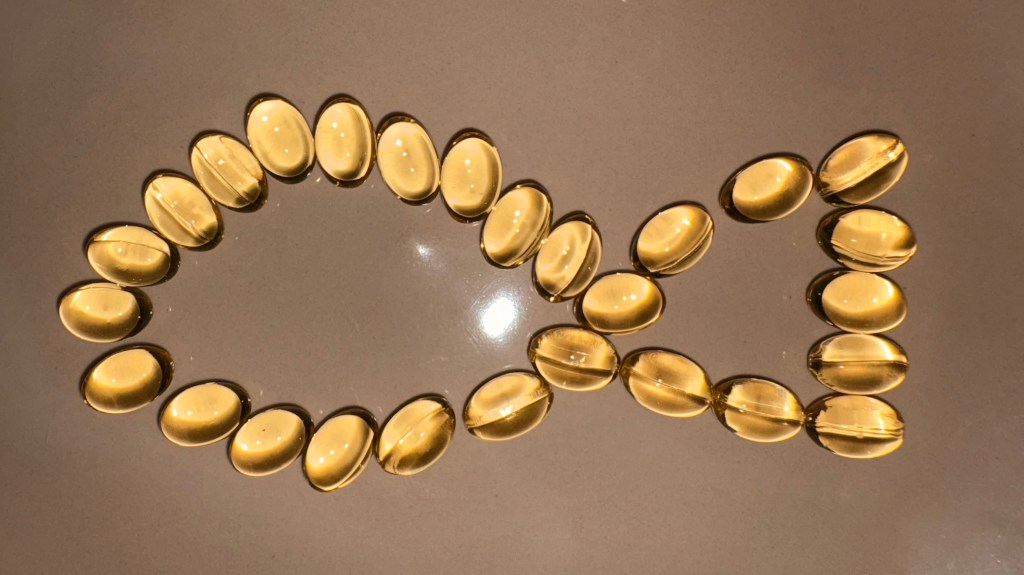
There are two broad categories of fatty acids: saturated fats (“unhealthy fats”) and unsaturated fats (“healthy fats”). Omega-3 fatty acids fall into the category of unsaturated fats, and they are essential for various bodily functions [2].
One review noted that omega-3s helped reduce joint inflammation and associated symptoms in conditions such as rheumatoid arthritis. This occurred by stimulating the body to produce more anti-inflammatory molecules [3].
Another study showed that omega-3 in macrophages (a type of immune cell) reduced Tumor Necrosis Factor-alpha (TNF-α) and Prostaglandin E2 (PGE2), which are two known markers of inflammation [4].
Natural sources of omega-3s that can be included in your diet are:
- Fresh fish (not processed) such as salmon, tuna, mackerel, and herring
- Walnuts
- Seeds such as flax seeds and chia seeds
Supplements containing omega-3s that can be included in your diet are [5]:
- Cod liver oil
- Flaxseed oil
- Krill oil
2) Vitamin D
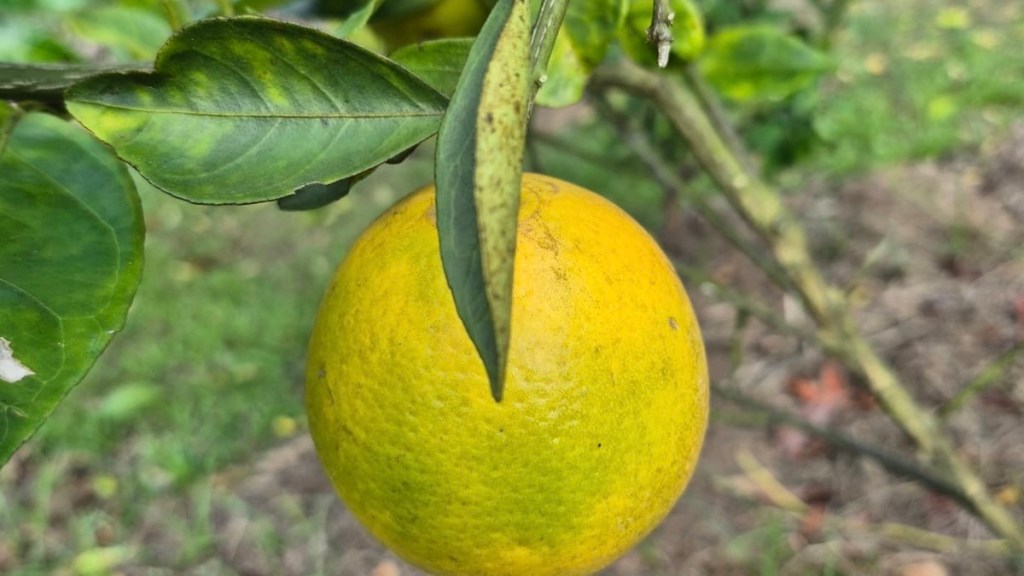
Vitamin D plays a critical role in maintaining a healthy immune system and reducing inflammation in the body.
A scientific study over a 5-year period, with over 25,000 participants who had an autoimmune disease, revealed that there was a reduction in the autoimmune disease by 22% with Vitamin D supplementation (with or without omega 3 fatty acid) and 15% disease reduction with omega-3 fatty acid supplementation (with or without Vitamin D supplementation)[6].
One meta-analysis of a compilation of 20 studies showed that there was a reduction in 2 inflammation markers in the body: C-reactive protein (CRP) and erythrocyte sedimentation rate (ESR) in patients with type 2 diabetes with vitamin D supplementation [7]
Natural sources of vitamin D that can be included in your diet are [8]:
- Fresh fish (not processed) such as salmon, sardines, tuna, and herring
- Eggs (yolk)
- Fresh orange juice
Supplements containing vitamin D that can be included in your diet are:
- Vitamin D tablets
- Cod liver oil
3) Turmeric (with black pepper)
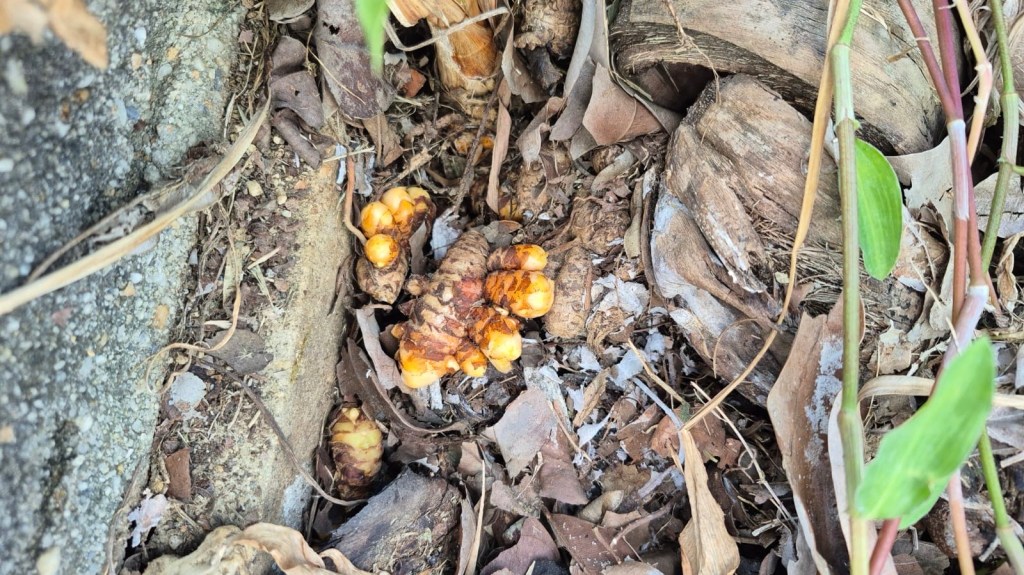
The bright orange-yellow colored spice, turmeric, has been used for several decades in traditional medicine practices. This is attributed to the compound curcumin, which is naturally found in turmeric [9].
A systematic review of ten (10) studies observed the effects of turmeric on patients suffering from osteoarthritis (OA) in their knees. Patients reported similar effects from using turmeric to those of taking non-steroidal anti-inflammatory drugs (NSAIDs). In one aspect of this review, patients were able to reduce their NSAID usage whilst taking turmeric [10].
Although there’s no set dose of turmeric for these anti-inflammatory properties, studies indicate that it is poorly absorbed on its own as it is quickly metabolized. Whether used in cooking, steeped into a tea, or taken as a supplement, turmeric should therefore be paired with black pepper to be absorbed more readily into the body [11].
4) Ginger

More than just a warm, zesty spice, ginger has soothing inflammation-reducing properties.
A scientific study assessed the effects of 1.5 g of ginger per day on patients with active rheumatoid arthritis (RA). Inflammatory markers such as CRP were analyzed, and the results showed that there was a significant decline after using ginger powder supplementation [12]. One study even suggested that ginger can inhibit inflammatory responses in persons with psoriasis [13].
Ginger can be enjoyed fresh, as a tea, or as a supplement capsule, making it easy to incorporate into your diet.
5) Garlic
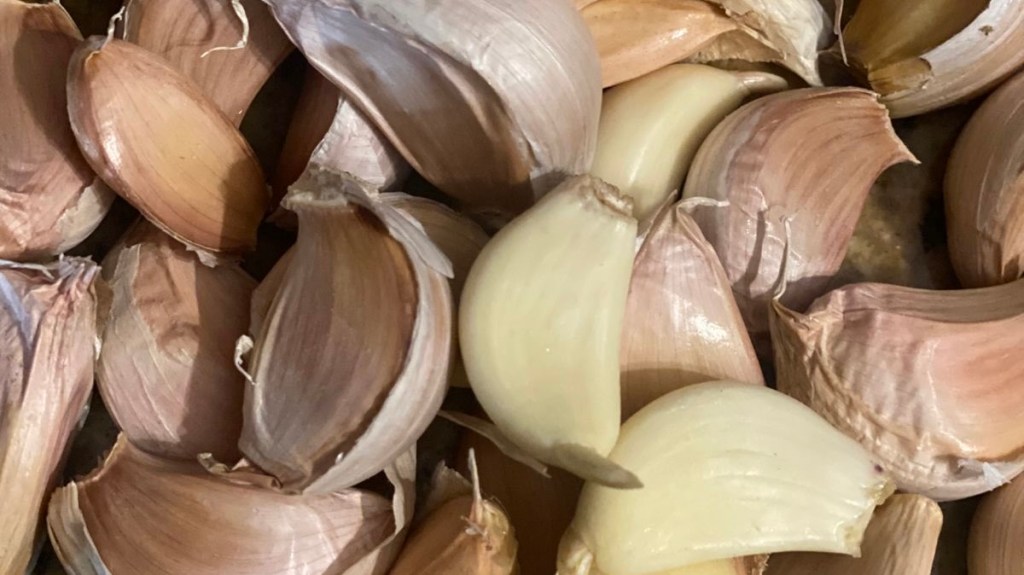
Despite its pungent odor, garlic is useful not only for adding some extra flavor to foods, but also for reducing inflammation in the body.
Multiple scientific studies have found that garlic acts as an anti-inflammatory agent. In over fifteen random clinical trials with garlic doses ranging from 12 to 3600 micrograms per day, there was a significant reduction in CRP and TNF markers [14].
So, garlic’s usage goes far beyond flavourful properties. It’s a practical addition to integrate into an anti-inflammatory lifestyle as it’s one of those ingredients you’re probably already using in the kitchen.
6) Saffron
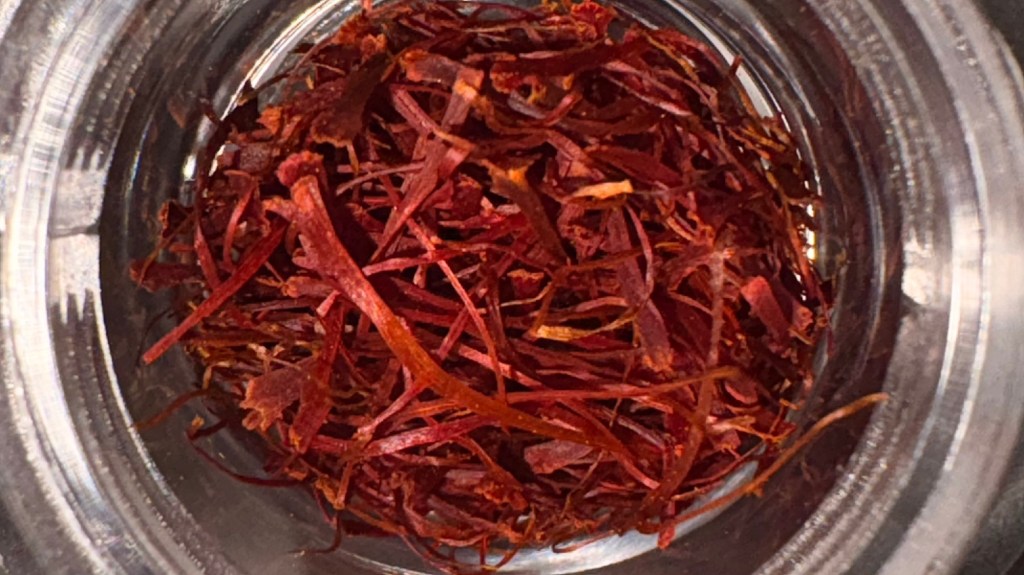
Crocus sativus, more commonly known to the average person as saffron, has a long-standing history as both a flavor enhancer in food and a dye.
One trial observed the effects of saffron in patients who were septic. The results revealed lowered markers such as CRP, ESR and TNF-α [15].
Saffron interestingly helps fight against in two major ways. Firstly, certain inflammatory signals get slowed down. However, in addition to this, certain compounds in saffron help the immune system achieve a better balance. It lowers the levels of chemical messengers that cause symptoms such as swelling and redness, while still allowing the immune system to protect the body [16].
Remember your anti-inflammatory lifestyle is made up of small, everyday choices that add up. So focus on progress, not perfection and while these are just a few examples, many other supplements may also have anti-inflammatory properties. It’s always a good idea to do a bit of your own research and consult with your Rheumatologist to understand which supplements are the most suitable for you.
Jadon Soodoo
Incoming Year 1 DDS Student, U.W.I., St. Augustine
References
[1]J. Soodoo, “Anti Inflammatory Diet,” Rheumatology TT. [Online]. Available: https://rheumatologytt.com/2025/12/02/anti-inflammatory-diet/
[2]Cleveland Clinic, “Omega-3 Fatty Acids,” Cleveland Clinic. [Online]. Available: https://my.clevelandclinic.org/health/articles/17290-omega-3-fatty-acids
[3]C. Sales, F. Oliviero, and P. Spinella, “Role of omega-3 polyunsaturated fatty acids in diet of patients with rheumatic diseases,” Reumatismo, vol. 60, no. 2, pp. 95–101, 2008, doi: 10.4081/reumatismo.2008.95.
[4]T. A. Babcock, W. S. Helton, K. N. Anwar, Y.-Y. Zhao, and N. J. Espat, “Synergistic anti-inflammatory activity of omega-3 lipid and rofecoxib pretreatment on macrophage proinflammatory cytokine production occurs via divergent NF-kappaB activation,” JPEN. Journal of parenteral and enteral nutrition, vol. 28, no. 4, pp. 232–9; discussion 239-40, 2004, doi: 10.1177/0148607104028004232.
[5]“Omega-3 Supplements: What You Need To Know,” NCCIH. Accessed: Dec. 07, 2025. [Online]. Available: https://www.nccih.nih.gov/health/omega3-supplements-what-you-need-to-know
[6]J. Hahn et al., “Vitamin D and marine omega 3 fatty acid supplementation and incident autoimmune disease: VITAL randomized controlled trial,” BMJ, vol. 376, Jan. 2022, doi: 10.1136/bmj-2021-066452.
[7]A. Mousa, N. Naderpoor, H. Teede, R. Scragg, and B. de Courten, “Vitamin D supplementation for improvement of chronic low-grade inflammation in patients with type 2 diabetes: a systematic review and meta-analysis of randomized controlled trials,” Nutrition reviews, vol. 76, no. 5, pp. 380–394, May 2018, doi: 10.1093/nutrit/nux077.
[8]T. Jones, “7 Nutritious Foods That Are High in Vitamin D,” Healthline Media. Accessed: Dec. 07, 2025. [Online]. Available: https://www.healthline.com/nutrition/9-foods-high-in-vitamin-d#cod-liver-oil
[9]“Turmeric Benefits,” Johns Hopkins Medicine. Accessed: Jan. 02, 2026. [Online]. Available: https://www.hopkinsmedicine.org/health/wellness-and-prevention/turmeric-benefits
[10]K. Paultre, W. Cade, D. Hernandez, J. Reynolds, D. Greif, and T. M. Best, “Therapeutic effects of turmeric or curcumin extract on pain and function for individuals with knee osteoarthritis: a systematic review,” BMJ open sport & exercise medicine, vol. 7, no. 1, p. e000935, Jan. 2021, doi: 10.1136/bmjsem-2020-000935.
[11]G. Shoba, D. Joy, T. Joseph, M. Majeed, R. Rajendran, and P. S. Srinivas, “Influence of piperine on the pharmacokinetics of curcumin in animals and human volunteers,” Planta medica, vol. 64, no. 4, pp. 353–6, May 1998, doi: 10.1055/s-2006-957450.
[12]N. Aryaeian, M. Mahmoudi, F. Shahram, S. Poursani, F. Jamshidi, and H. Tavakoli, “The effect of ginger supplementation on IL2, TNFα, and IL1β cytokines gene expression levels in patients with active rheumatoid arthritis: A randomized controlled trial,” Medical journal of the Islamic Republic of Iran, vol. 33, p. 154, Dec. 2019, doi: 10.34171/mjiri.33.154.
[13]P. Ballester, B. Cerdá, R. Arcusa, J. Marhuenda, K. Yamedjeu, and P. Zafrilla, “Effect of Ginger on Inflammatory Diseases,” Molecules, vol. 27, no. 21, Oct. 2022, doi: 10.3390/molecules27217223.
[14]“Garlic Supplementation Reduces Circulating C-reactive Protein, Tumor Necrosis Factor, and Interleukin-6 in Adults: A Systematic Review and Meta-analysis of Randomized Controlled Trials,” The Journal of Nutrition, vol. 149, no. 4, pp. 605–618, doi: 10.1093/jn/nxy310.
[15]S. Hassanizadeh et al., “The effects of saffron supplementation on inflammation and hematological parameters in patients with sepsis: a randomized controlled trial,” Nutrition journal, vol. 24, no. 1, p. 72, May 2025, doi: 10.1186/s12937-025-01148-y.
[16]M. Zeinali, M. R. Zirak, S. A. Rezaee, G. Karimi, and H. Hosseinzadeh, “Immunoregulatory and anti-inflammatory properties of Crocus sativus (Saffron) and its main active constituents: A review,” Iranian journal of basic medical sciences, vol. 22, no. 4, pp. 334–344, Apr. 2019, doi: 10.22038/ijbms.2019.34365.8158.
 Rheumatology TT