
Author: Rheumatology TT
-
Rheumatoid arthritis
2010 Rheumatoid Arthritis Classification Criteria for Rheumatoid Arthritis Score Target population (who should be tested?): patients who 1) have at least one joint with definite clinical synovitis (swelling)* 2) with the synovitis not better explained by another disease† Classification criteria for RA (score-based algorithm: add score of categories A–D a score of ≥6/10 is needed…
-

Treatment of an autoimmune inflammatory arthritis
There are many diseases which fall into the group of conditions known as autoimmune inflammatory arthritis such as rheumatoid arthritis, systemic lupus erythematous, psoriasis with psoriatic arthritis, vasculitis and many others. The treatment of an autoimmune inflammatory arthritis involves multiple approaches. These include: These different approaches work together to help improve symptoms and to control…
-

The Rheumatologist
A rheumatologist manages patients who are suffering from various autoimmune and inflammatory rheumatic disorders. This group of conditions could affect almost any organ system of the body such as the muscles, joints, bones etc. Most conditions which cause joint pain, swelling or stiffness fall into this category of disorders. The rheumatologist would therefore try to…
-
Early Assessment
Most people who complain of joint pain do not take their symptoms seriously unless they are severe. They usually prefer to monitor their symptoms thinking that it may be related to some activity, bad sleeping position, a “strain” and various other reasons. They may try using various pain killers based on previous experience or advice…
-
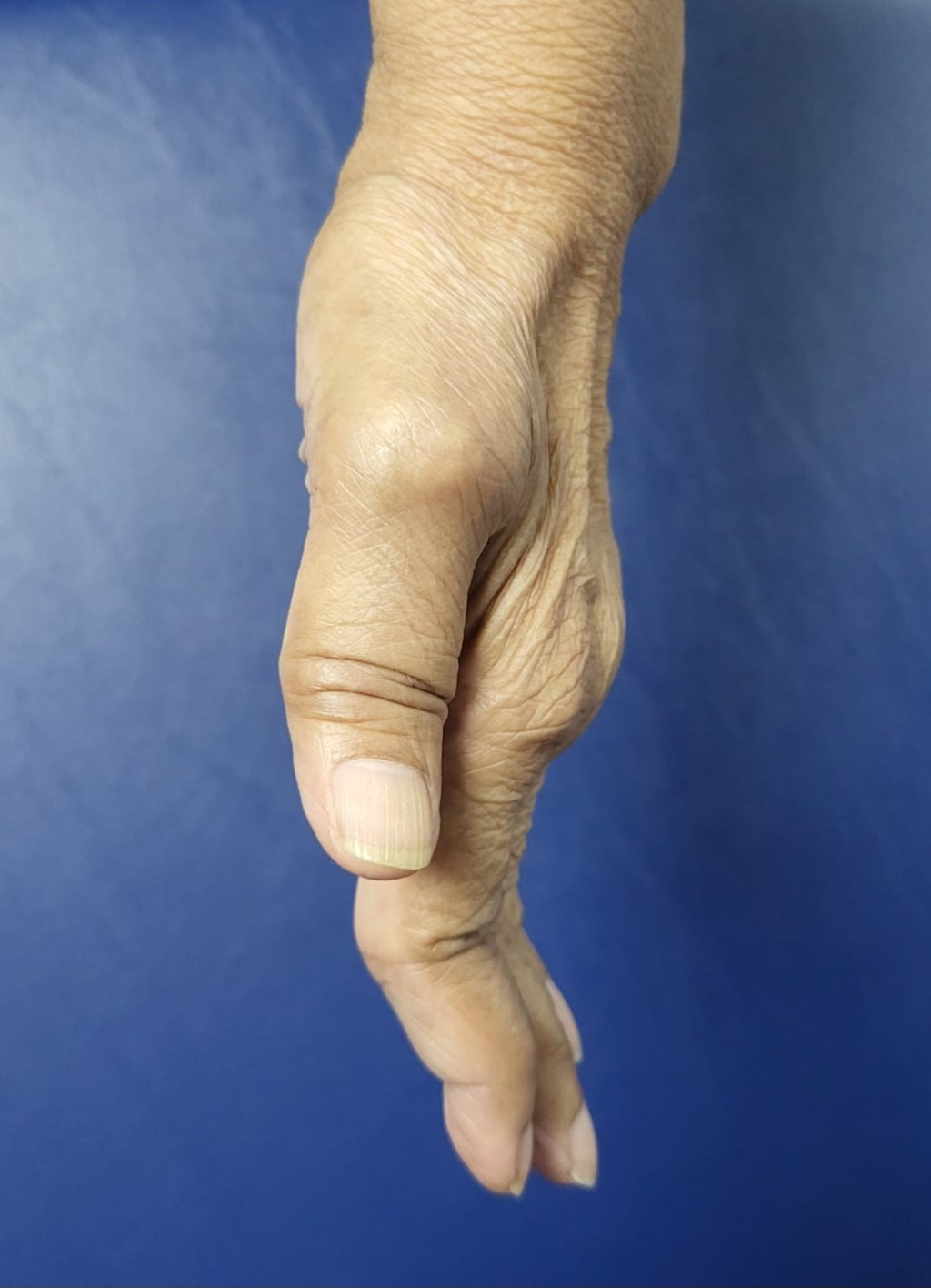
Understanding Arthritis
For more than 20 years I have been managing patients who are suffering from different types of arthritis. It has been my experience that most of these patients were unable to say what is the exact diagnosis that they were treated for or are being treated for. The usual response would be that they are…
 Rheumatology TT